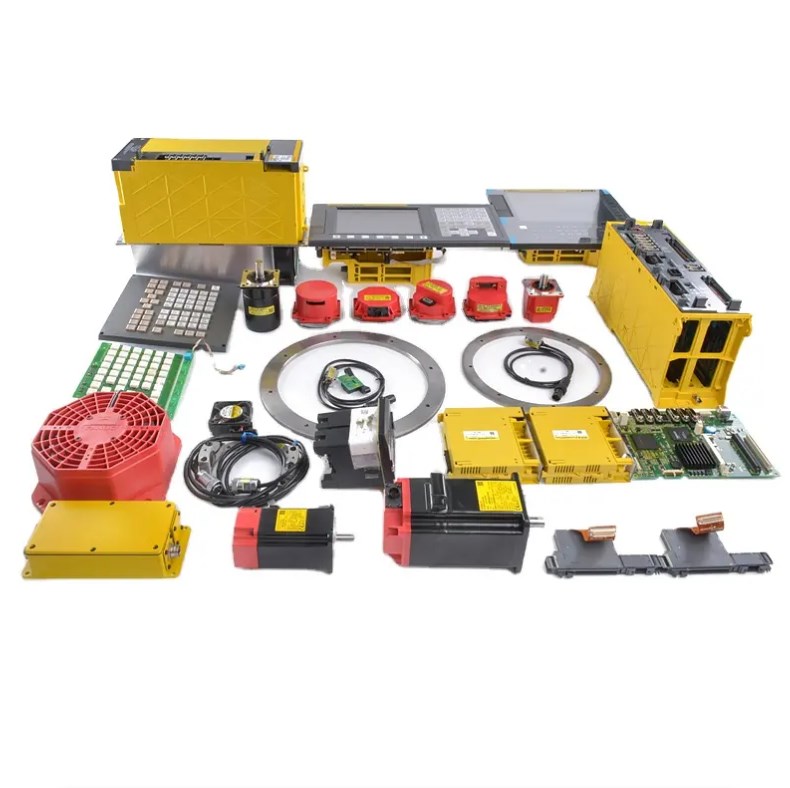
When it comes to industrial automation, the Fanuc Servo Motor stands out as a critical component. Understanding how to troubleshoot common issues with these motors can save time and minimize downtime in your operations. In this article, we will explore effective troubleshooting methods for Fanuc Servo Motors, providing clear steps to diagnose and resolve various errors. Whether you’re dealing with fault codes or performance issues, this guide will equip you with the knowledge needed to maintain optimal functionality.
Understanding Fanuc Servo Motors
- Overview: Introduce Fanuc Servo Motors, their types, and applications.
- Key Components: Discuss major components including rotor, stator, encoder, and feedback mechanisms.
- Importance in Automation: Explain their role in robotics, CNC machinery, and industrial systems.
Common Issues with Fanuc Servo Motors
- Fault Codes: List and explain common fault codes such as ALARM 1 and ALARM 2.
- Performance Problems: Identify symptoms such as unexpected stops, vibrations, and overheating.
- Connection Issues: Discuss potential connectivity troubles with encoders and power supply.
Step-by-Step Troubleshooting Process
- Step 1: Identify Fault Codes
- Refer to the Fanuc manual to decode the error code displayed on the controller. Ensure accurate note-taking for reference.
- Step 2: Check Connections
- Inspect cables, connectors, and terminals for any signs of wear or disconnection. Ensure all connectors are securely seated.
- Step 3: Examine Power Supply
- Measure the voltage output to ensure it matches the specifications outlined in the Fanuc documentation. Replace the power supply if necessary.
- Step 4: Analyze Feedback Mechanism
- Verify encoder operation by checking for any blockage or dirt affecting its reading. Look for abnormal encoder signals using diagnostic tools.
- Step 5: Assess Motor Condition
- Check for unusual noise or excessive heat during operation. Measure winding resistance with a multimeter to determine insulation integrity.
- Step 6: Calibration
- After completing repairs, calibrate the servo motor using the FANUC operator manual to ensure proper operation.
Preventive Maintenance Tips
- Regular Inspection: Schedule periodic inspections, focusing on wiring, connections, and feedback systems.
- Software Updates: Keep the software and firmware updated to mitigate compatibility issues.
- Environmental Controls: Maintain a clean operational environment to reduce dust and contaminants.
Utilizing Expert Assistance
- When to Seek Help: Identify conditions that warrant professional intervention.
- Finding Service Providers: Recommendations on finding certified Fanuc service technicians or authorized service centers.
Conclusion: Enhancing Efficiency with Fanuc Servo Motors
In summary, understanding the intricacies of the Fanuc Servo Motor troubleshooting process can greatly enhance the efficiency and longevity of your automated systems. By following the outlined steps, you can effectively address common problems and maintain optimal operation. For further assistance, consider leveraging the expertise of professionals who specialize in Fanuc technology. Visit YaoTai Technology for reliable resources and support.