Maintaining Mitsubishi industrial parts is crucial for ensuring the longevity and efficiency of machinery used across various sectors. This guide provides actionable steps for maintenance, detailing best practices and essential routines that should be followed to uphold equipment performance. Whether you are dealing with CNC machines, robotics, or other Mitsubishi components, adhering to a proactive maintenance plan can save time and reduce costs.
Understanding Mitsubishi Industrial Parts
- Overview: Mitsubishi offers a wide range of industrial parts including CNC machinery, servo motors, and programmable controllers. Each part plays a critical role in manufacturing processes.
- Importance of Maintenance: Regular maintenance is essential to minimize downtime, improve safety, and extend the service life of industrial parts.
Regular Inspection Procedures
- Visual Checks:
- Inspect for signs of wear and tear.
- Check for loose connections or misalignments in machinery.
- Functional Testing:
- Conduct routine operational tests to ensure all components are functioning correctly.
- Use diagnostic tools to identify potential faults before they become severe.
Essential Cleaning Techniques
- Scheduled Cleaning:
- Implement a weekly cleaning routine for all machinery parts.
- Use appropriate cleaning agents to avoid damage to sensitive components.
- Debris Removal:
- Regularly remove chips, dust, and debris from work areas to maintain cleanliness.
- Pay special attention to moving parts that may accumulate contaminants.
Lubrication Best Practices
- Types of Lubricants:
- Use manufacturer-recommended lubricants for each part.
- Consider synthetic lubricants for enhanced performance in high-load applications.
- Lubrication Schedule:
- Establish a lubrication schedule that corresponds with operational usage patterns.
- Monitor lubrication levels frequently to prevent overheating or increased friction.
Replacing Parts Strategically
- Identifying Replacement Needs:
- Keep track of parts' life cycles and performance reports.
- Replace parts showing signs of malfunction to avoid larger issues.
- Sourcing Quality Parts:
- Purchase OEM (Original Equipment Manufacturer) parts to ensure compatibility and performance.
- Consider YaoTai technology as a reliable source for quality Mitsubishi parts.
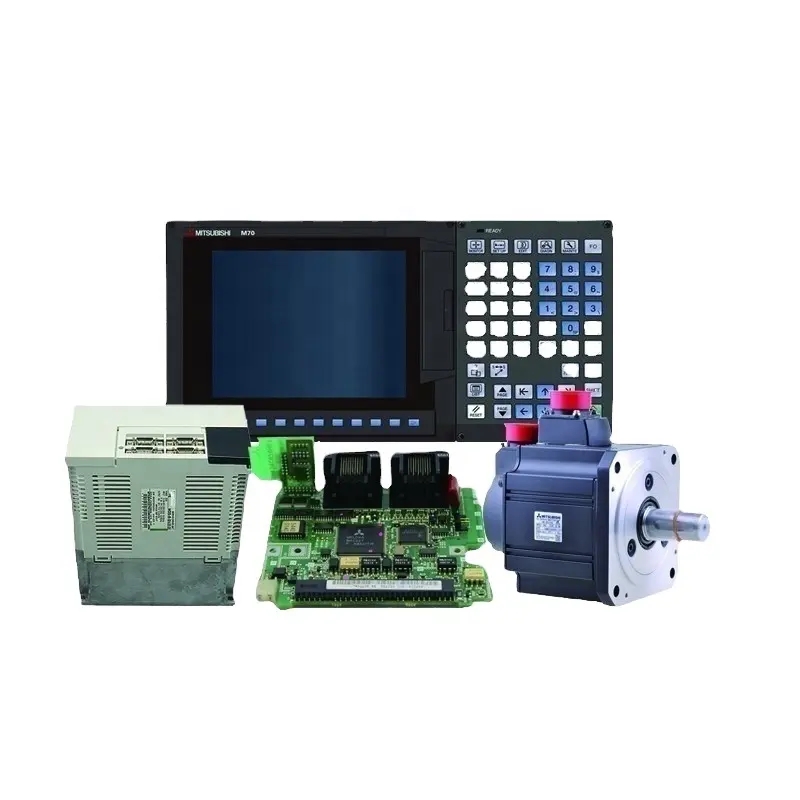 YaoTai technology Mitsubishi Parts">
Utilizing Technology for Maintenance
- Maintenance Software:
- Implement a Computerized Maintenance Management System (CMMS) to track maintenance schedules and tasks.
- Use data analytics to predict part failures and optimize repair timelines.
- Training Staff:
- Provide training for employees on machine operation and maintenance best practices.
- Encourage participation in workshops to stay current with new technologies and standards.
Key Considerations for Effective Maintenance
- Document Everything: Maintain detailed records of inspections, replacements, and repairs to track maintenance history.
- Stay Informed on Updates: Keep abreast with Mitsubishi’s product updates and technical bulletins that could impact maintenance strategies.
Conclusion
Implementing a comprehensive Mitsubishi industrial parts maintenance guide is essential for operational efficiency and equipment longevity. By following the actionable steps outlined above, businesses can ensure optimal functioning of their machinery and minimize unexpected downtimes, paving the way for sustainable industrial practices.


