Email: sales12@yaotaishcnc.com
Email: sales12@yaotaishcnc.com

Jul. 07, 2026
In the ever-evolving landscape of manufacturing technology, Mitsubishi sensors have emerged as a cornerstone for enhancing the performance of CNC (Computer Numerical Control) systems. These advanced sensors play a critical role in optimizing machine operations, improving accuracy, and reducing downtime. As industries embrace automation, the significance of these sensors only amplifies, addressing pain points like inefficiencies and operational errors that can lead to substantial costs. For manufacturers seeking to streamline processes and enhance productivity, knowing how to effectively implement Mitsubishi sensors is essential.
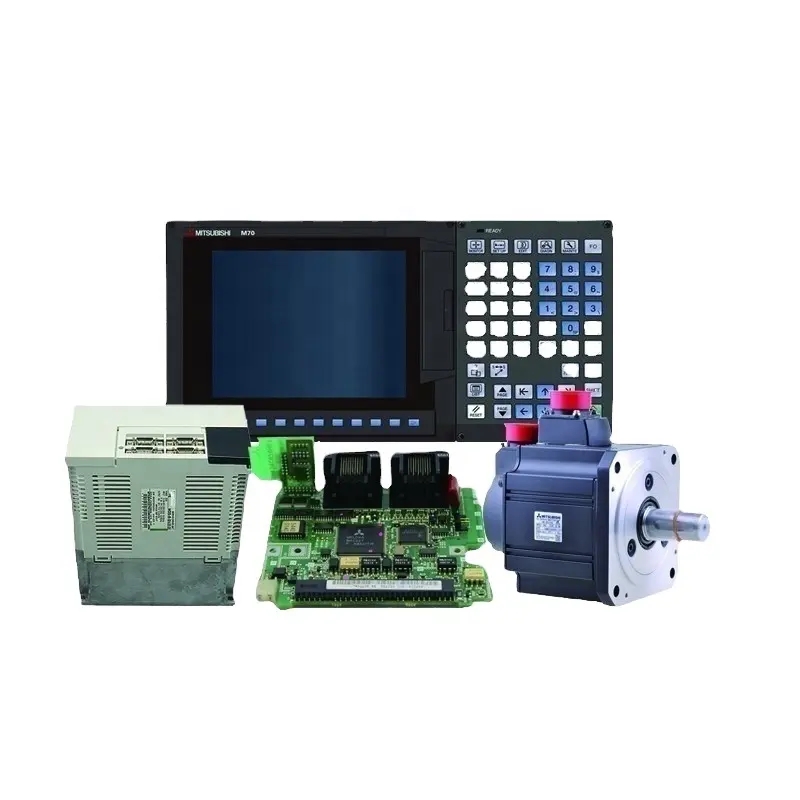
A Mitsubishi sensor is an advanced detection device specifically designed for CNC applications. These sensors are integral in the feedback loops of CNC systems, providing real-time monitoring and analysis of machine parameters such as position, speed, and temperature. The primary types of sensors utilized in these systems include inductive sensors, photoelectric sensors, and laser sensors, each offering unique benefits that cater to specific manufacturing needs.
Using industry-standard definitions, an inductive sensor detects metallic objects, making it ideal for precise position detection in CNC milling. In contrast, photoelectric sensors use light beams, thereby allowing for non-contact detection, reducing wear and tear on machinery. According to Mitsubishi Electric’s Technical White Papers, systems incorporating these sensors report a 30% reduction in error rates during machining operations.
Mitsubishi sensors find applications across various sectors, including:
In every use case, the implementation of Mitsubishi sensors can drive efficiency and reliability, confirming their indispensable role in modern manufacturing.
The advantages of Mitsubishi sensors extend beyond mere detection; they include:
To further explore how Mitsubishi sensors can benefit your operations, reading the user guide is essential. This guide outlines installation procedures, troubleshooting tips, and maintenance practices, ensuring you can leverage these sensors to their fullest potential. For comprehensive resources, visit YaoTai technology, where you can find additional materials and updates on innovative sensor technologies.
1. What types of Mitsubishi sensors are available?
Mitsubishi offers several types of sensors, including inductive, capacitive, ultrasonic, and photoelectric sensors, each tailored for specific applications.
2. How do I know which sensor is right for my CNC application?
Evaluating your application’s needs regarding material type, detection range, and environmental conditions will help determine the best sensor.
3. Can Mitsubishi sensors improve the longevity of my CNC machinery?
Yes, by facilitating better operational practices and reducing wear, you can enhance the longevity of your machinery significantly.
For further understanding or to explore Mitsubishi sensors in-depth, consider joining workshops or online trials offered by YaoTai technology. These initiatives will elevate your skills and knowledge about contemporary automation solutions, ensuring you stay ahead in the industry.
NAVIGATION
Tel.:+86 137 6194 3986
E-Mail: sales12@yaotaishcnc.com
Whatsapp: +852 9064 3512
Whatsapp: +86 137 6194 3986
Add: NO.123 RONGXING RD,201613 Songjiang district,Shanghai city China


